
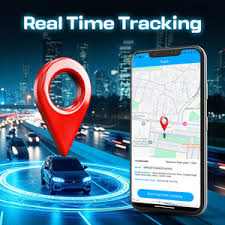
What is GPS fitting, and why does it matter?
Installing a GPS fitting tracker for a car (also called a vehicle tracking system) means fitting a small device that tells you the car’s real-time location, routes, and movement history. At SSMWorks we explain everything simply so you—the vehicle owner—know what to expect, why it helps, and how the fitting is done.
Key customer benefits:
- Real-time GPS tracking for safety and recovery.
- Car GPS installation near me made easy by professionals.
- Lower theft risk, better fleet management, and improved peace of mind
Short overview of GPS fitting types (so you pick the right one)
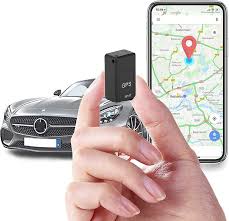
Plug-and-play OBD trackers plug into the car’s OBD port. Quick to install and remove. Good for personal cars and temporary use. (Keyword: OBD GPS tracker)
Hardwired trackers—connected to battery and ignition wires. Hidden, tamper-resistant, and best for long-term or fleet use. (Keyword: hardwired GPS tracker)
Magnetic portable trackers—battery-powered, they stick under the chassis for temporary tracking. Good for special cases. (Keyword: portable GPS tracker
How the GPS fitting system works (simple)
A tracker uses GPS satellites to get location and a mobile data connection (SIM) to send that data to a server. You check the location on an app or web portal. That’s real-time GPS tracking in simple terms.
Step-by-step: What happens during professional GPS fitting
We describe a typical car GPS installation so customers understand each step.
Step 1—Book and prepare
- Schedule a fitting at SSMWorks or ask for an on-site fitting. (Search: car GPS installation near me)
- Bring vehicle documents and a charged phone for setup.
Step 2—Device selection & demo
- The technician explains the options: OBD GPS tracker, hardwired GPS tracker, or portable.
- You see a quick demo of the app and how alerts/location work.
Step 3—Physical installation
- For OBD GPS tracker: plug into the OBD-II port (under the dashboard). No wiring. Takes 5–10 minutes.
- For hardwired GPS trackers, the technician connects power (battery), ignition sense (for movement/engine on/off detection), and ground. Device placed in a hidden, safe spot. Typically 30–60 minutes.
- For magnetic trackers: placed under the vehicle in a protected location; no wiring required.
Step 4—SIM & activation
- The technician inserts the SIM (usually included) and activates the data plan. You’ll get login credentials for the app/portal. (Keyword: vehicle tracking system)
Step 5—Testing & walkthrough
- Live test drive to confirm real-time GPS tracking, speed/status reports, geo-fencing, and alerts.
- The technician teaches you how to view live location, set alerts, check history, and share location.
Step 6—Handover & warranty
- You receive user credentials, a brief manual, and warranty information. The technician explains aftercare and contact for support.
What you need to know about cost & plans
Device cost: varies by type—OBD devices are usually cheaper than hardwired units.
Fitting fee: small service charge for professional installation (if hardwired).
Monthly data/subscription: covers tracking portal & SMS/alert services.
(SEO keywords to include in searches and content: GPS tracker price for car and car GPS subscription.)